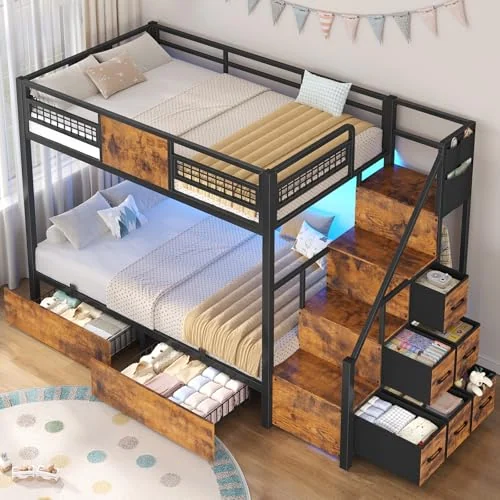
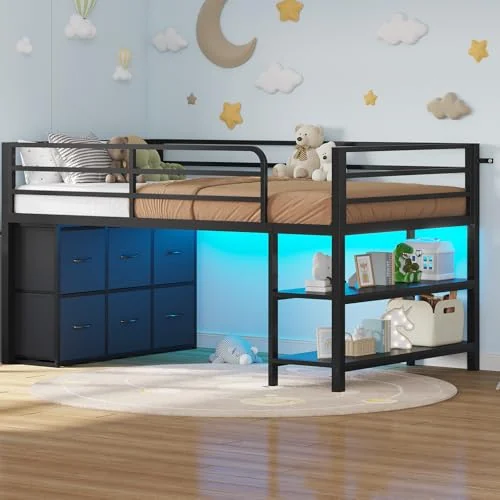
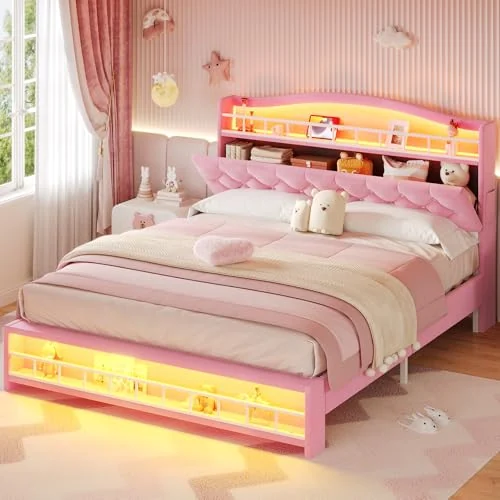
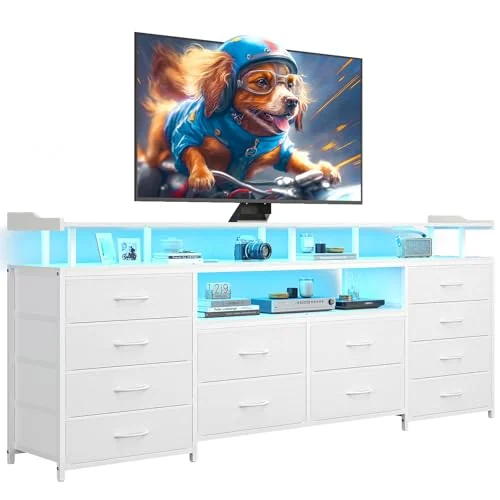
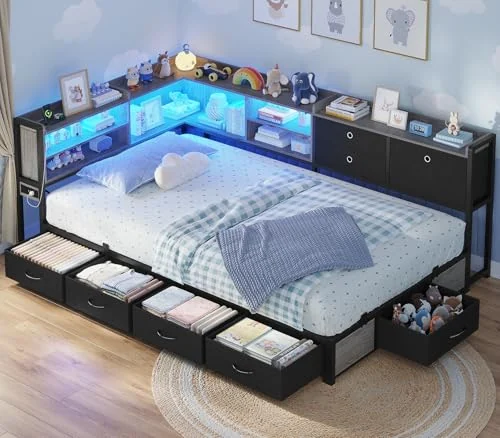
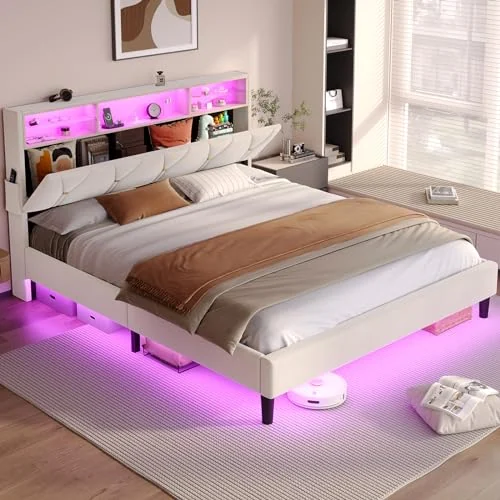
BTHFST BTHFST Corner Bed Frame with Charging Station & Led, Black & Gray
83.1 x 47.2 x 36.2 inches
$129.99

Bunk beds, loft beds, storage and stands, with the dimensions, load figures and materials published for each one. We measure a piece before we describe it.
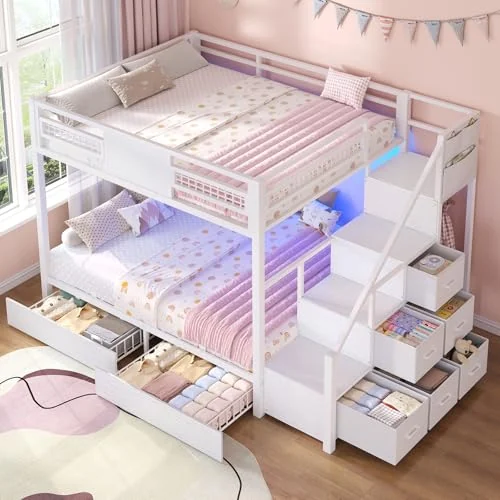
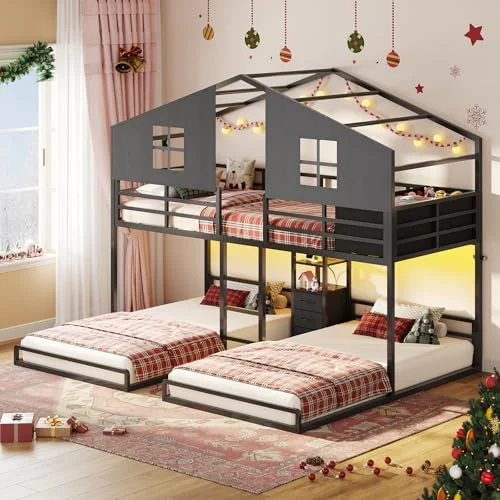
Mostly beds, because that is where a small room is won or lost, then the storage and surfaces that go around them.
8 photographs at 800 pixels, the largest we publish, each shown sharp at its own size.
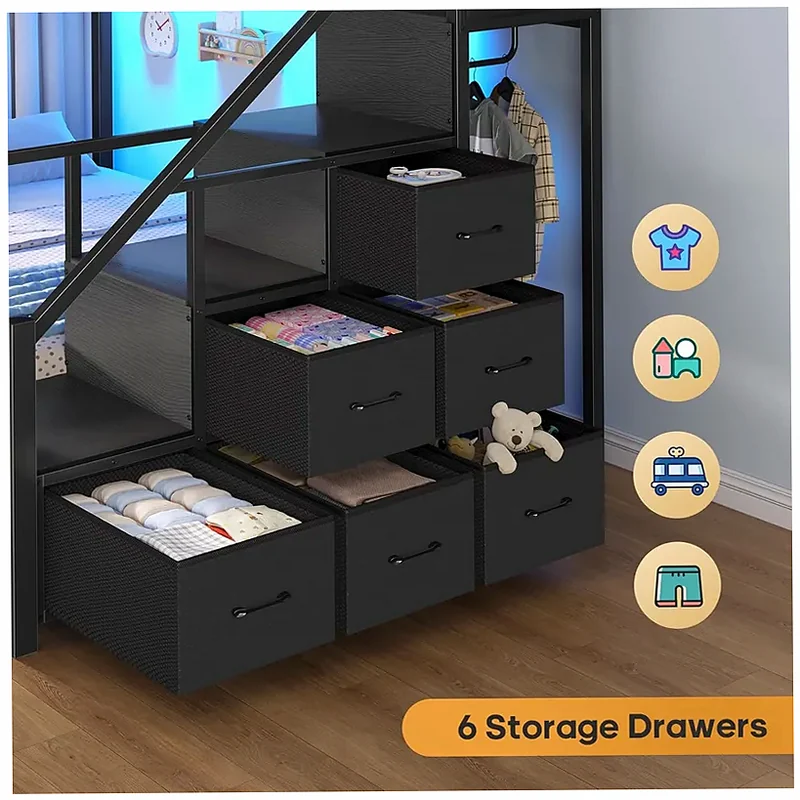
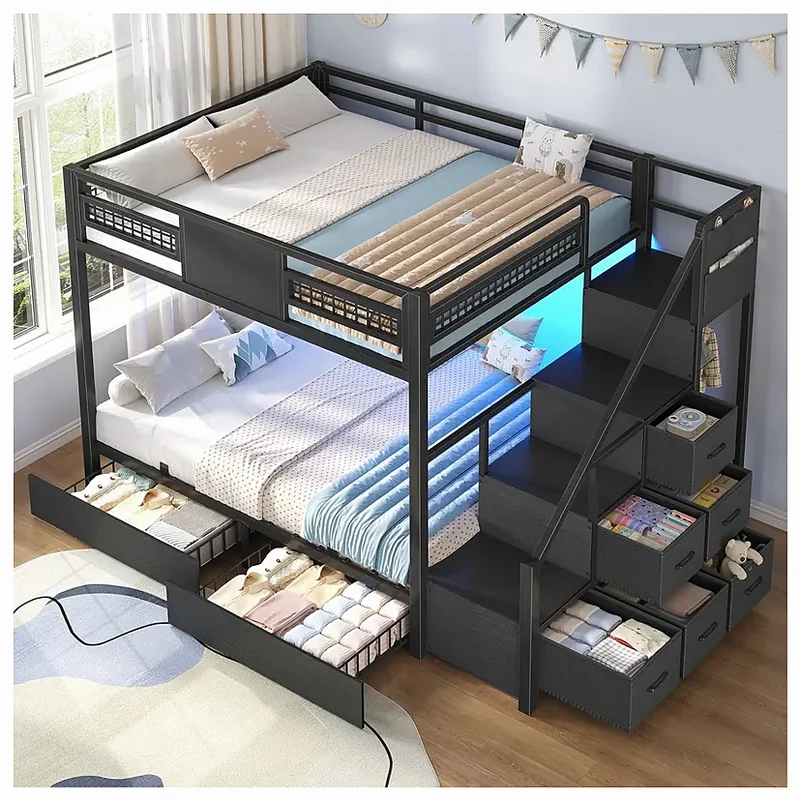
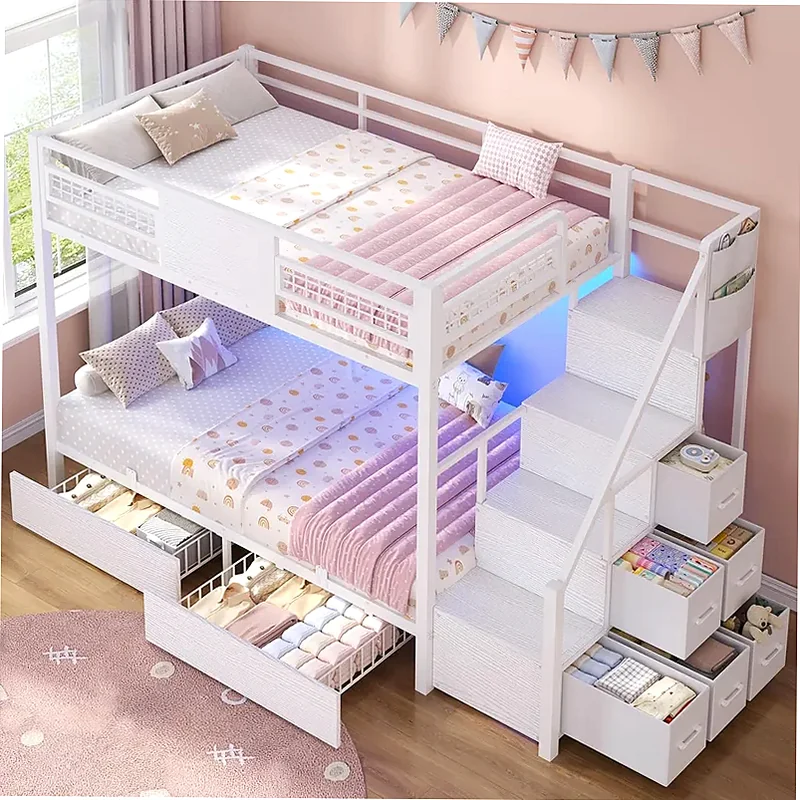
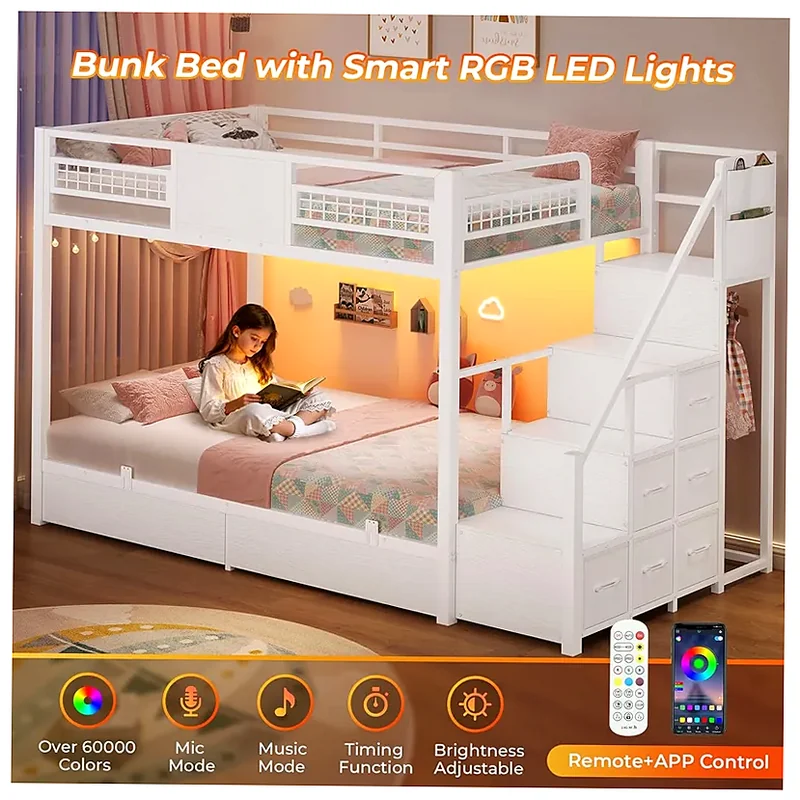
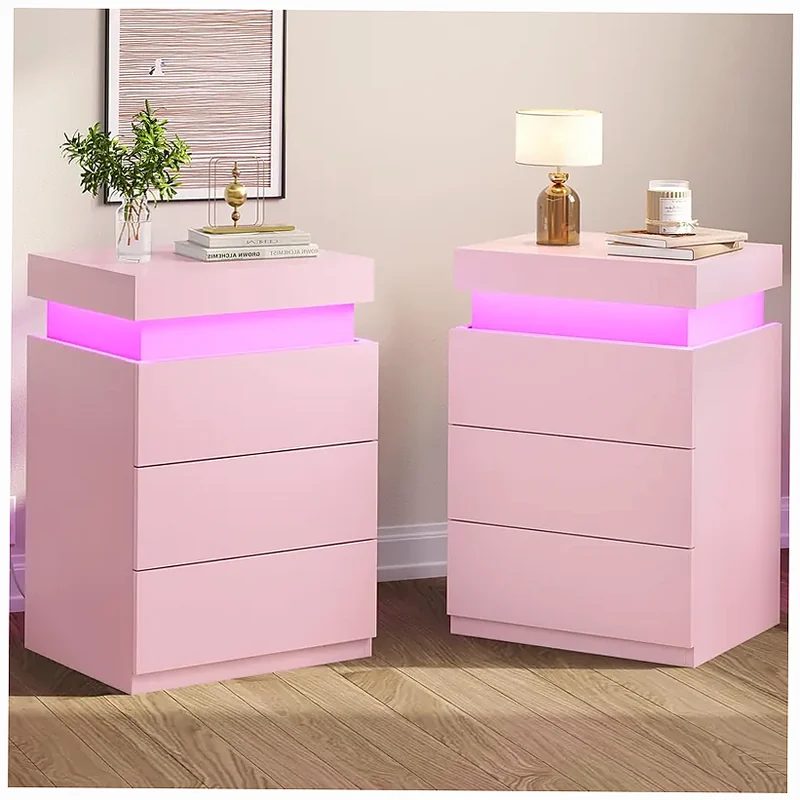
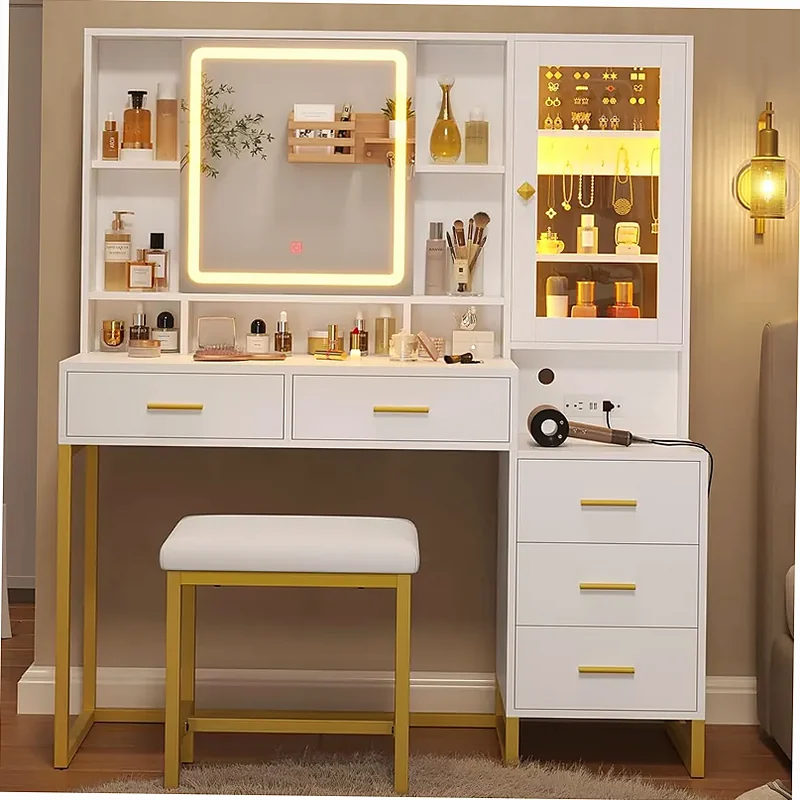
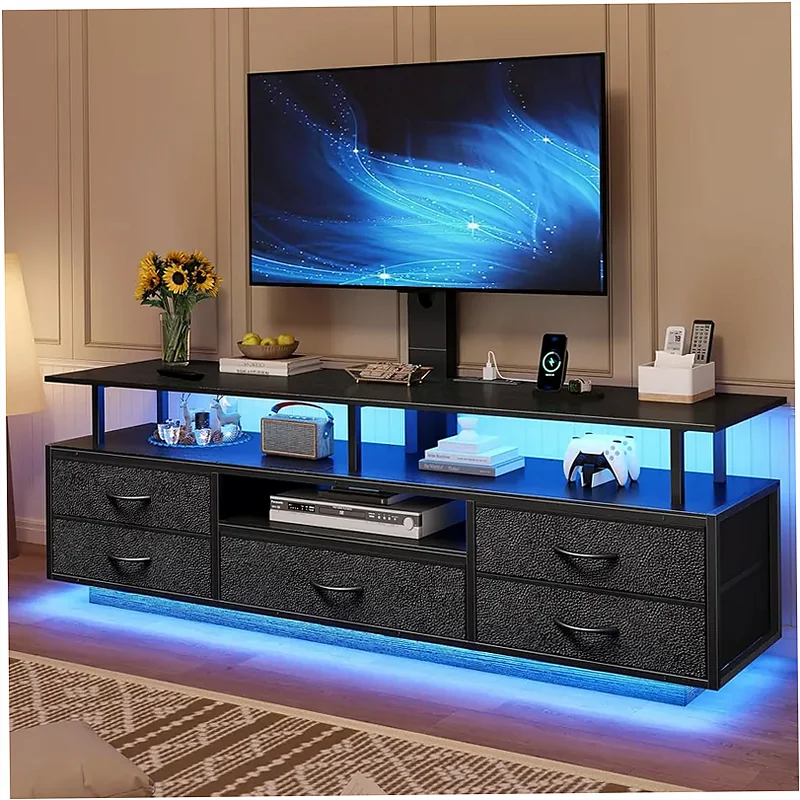
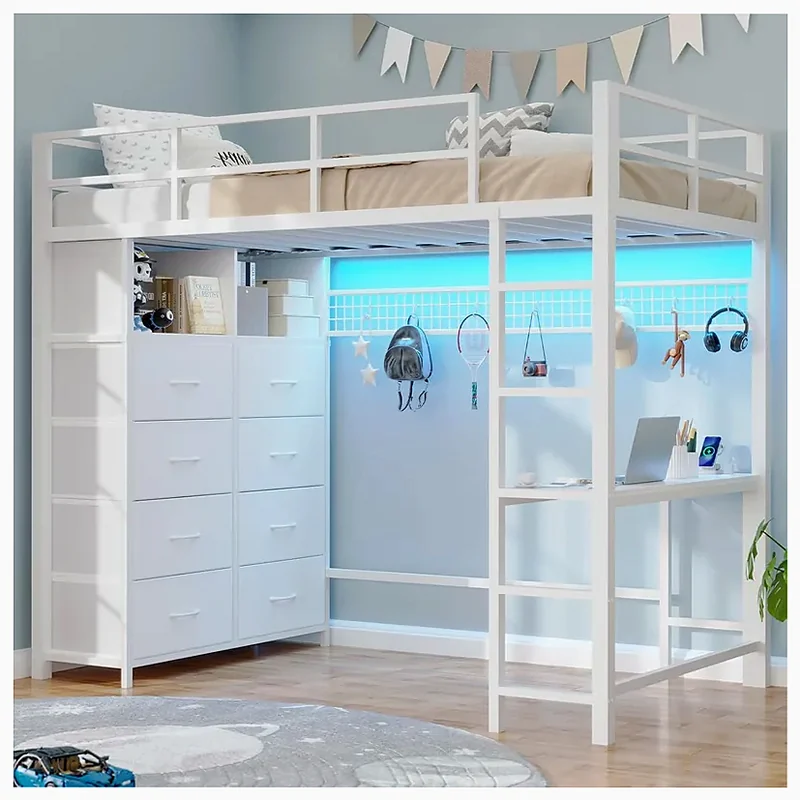
BTHFST makes furniture for rooms that ran out of floor. Not the spare room and not the loft conversion: the actual bedroom two children share, the studio where the desk has to go somewhere, the living room wall that has to hold a television and everything under it.
A room does not get bigger. It gets taller, and it gets used further up.
Most of the range builds upwards. A bunk bed puts two mattresses on one footprint. A loft bed puts nothing on the lower one at all and hands the space back for a desk, a dresser or a wardrobe rail. Around those sit the pieces that finish the job: bed frames, TV stands, desks and vanities, and the dressers that swallow what was on the floor.
We measure a piece before we describe it. All 145 pieces carry their full dimensions, and where a piece states a load figure it appears as a figure rather than as an adjective. A bed that will not clear your ceiling is not a matter of taste, and neither is a doorway on the way to the bedroom.
A metal or steel frame is named in 2 BTHFST specifications, and that is the part doing the work: it is what lets a bunk or a loft hold a sleeper overhead without a heavy timber structure underneath. Board is used where board belongs, on shelves, drawer fronts and headboard panels. Where a piece states FSC-certified stock, the page says so and says what it means: a certificate about the forest the wood came from, not about how much weight the shelf will take.
We count these from the published specifications rather than describing them in adjectives, because "solid construction" is a phrase and a number is a number.
Stairs that are also drawers. Drawers under the bed frame rather than boxes shoved beneath it. A dresser sized to sit under a loft rather than beside it. In a small room the question is never whether a piece has storage, it is whether the storage sits in space that was already being wasted.
A federal standard covers bunk beds, and our pages quote it rather than paraphrase. It sets guardrails on both sides of the upper bunk, the thirty inch threshold, the gaps that keep a child from slipping through, and the height a rail stands above the mattress. Tall chests fall under a separate stability rule. Each page that touches this carries the source, the link and the date we read it.
The one thing we will not do is tell you a piece is safe because it is ours.
No star ratings and no review counts: we have no verified figures and will not invent them. What stands in their place is the specification, and a page of the questions it actually answers. Every price is stamped with the day we last refreshed it, and a frame that stops being orderable takes its page out of the range until the price comes back, because a figure nobody can act on is worse than an empty shelf.
If you are working out what fits, start with the tape measure and not the photograph: the room fit tool does the arithmetic, and bunk or loft answers the question most people are actually asking. Then walk into the department that matches the room, whether that is BTHFST bunk beds or BTHFST dressers and storage.
Counted from the published specifications of all 145 pieces, rather than described in adjectives.
A metal or steel frame is named in 97 specifications. It is what lets a bunk or loft bed hold a sleeper overhead without a heavy timber structure.
MDF appears in 25 specifications and engineered wood in 8, normally as shelves, drawer fronts and headboard panels rather than as the frame.
FSC-certified wood is named in 19 specifications. That certifies the forestry source, not the strength, and it is worth reading as exactly that.
These counts come from the specification of each of the 165 pieces. The full breakdown is here.
A short film from our own channel: the twin frame with the LED headboard, three drawers and the charging station. It loads only when you press play.
Five checks worth making on any flat-pack bed or stand, and what our own figures say.
| What to check | BTHFST | A piece sold with none of this |
|---|---|---|
| Dimensions | Length, width and height published for all 145 pieces, plus a calculator that checks them against your room. | One overall size in the name, so the piece arrives and the door no longer opens. |
| Load figures | Printed for the 56 pieces whose specification states one, and left out for the rest. | A capacity claim with no number behind it, or none at all. |
| Materials | Named from the specification: steel in 97, MDF in 25, FSC-certified wood in 19. | Solid construction, which describes nothing you can check. |
| Safety | The federal bunk bed standard quoted word for word, with the date we read it. | A safety badge with no standard named and nothing to read. |
| Ratings | None published, because none were collected for this range. | A five star average borrowed from somewhere else in the shop. |
The ones that come before the millimetres.
Yes. The BTHFST lineup is space-saving furniture: bunk beds, loft beds, frames, dressers and stands. Our range runs to 145 pieces, and every one of them carries the dimensions we publish for it.
Ordering, payment, delivery and returns happen at checkout with our retail partner, and the parcel ships from them.
The return goes through the retail partner you ordered from, inside the window they show at checkout. For a piece that arrives damaged or with parts missing, start the return there.
There is no published warranty term for this range, so we do not offer one here. What we do publish is measurable: dimensions for all ${withDims} pieces, the stated load figure where the specification gives one, and the material named in the specification.
Measure the floor and the ceiling before the bed. Every piece here lists length, width and height, and the room-fit calculator works out the clearance you have left. Loft and bunk beds need headroom above the top mattress as well as floor space: the federal standard for bunk beds is written around exactly that.
Where the specification states a load figure we print it: 56 of the 145 pieces do. Figures in the range run from 100 lbs on a small shelf to 900 lbs on a frame. A load figure covers everything the frame carries, so add the mattress before you add the sleeper.
The federal rules exist for that question. Bunk beds sold in the United States fall under 16 CFR Parts 1213 and 1513, which set guardrails on both sides of the upper bunk, a 30 inch height trigger and limits on the gaps a child can slip through. Our safety guide quotes the CPSC guidance word for word, with the date we read it.
Because we have not collected any for this range, and inventing them is out of the question. Rather than a borrowed average or a wall of five star quotes, the pages carry the specification, the dimensions and the published safety rules.
Three ways to sleep two people in one room. We compare approaches rather than rival brands, measured on our own pieces and against the federal standard.
| Approach | In this range | Ceiling needed | Age limit | Trade |
|---|---|---|---|---|
| Bunk bed | 32 | The upper sleeper needs headroom above the mattress, not above the frame | Not under 6 on the upper bunk | Two sleepers on one footprint, usually with drawers built in |
| Loft bed | 28 | The same, the bed sits at bunk height | Not under 6 on the raised bed | One sleeper, but a desk or wardrobe underneath |
| Two separate beds | 44 | None beyond the room itself | None | Roughly double the floor area, which is the original problem |
The age limit is not our house rule: the warning label required on bunk beds says not to place children under six on the upper bunk. The longer comparison is here.
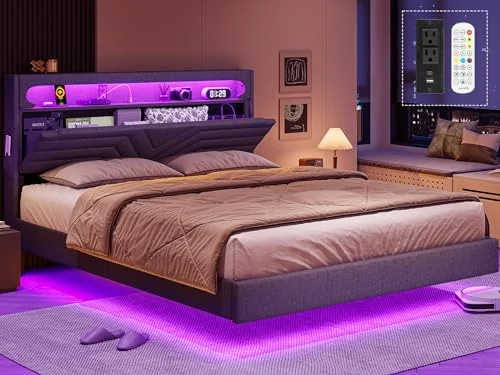
83.1 x 47.2 x 36.2 inches
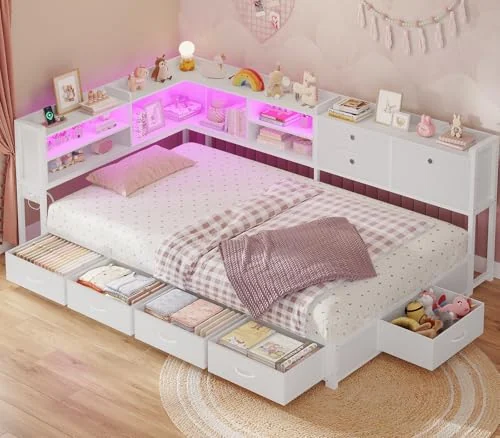
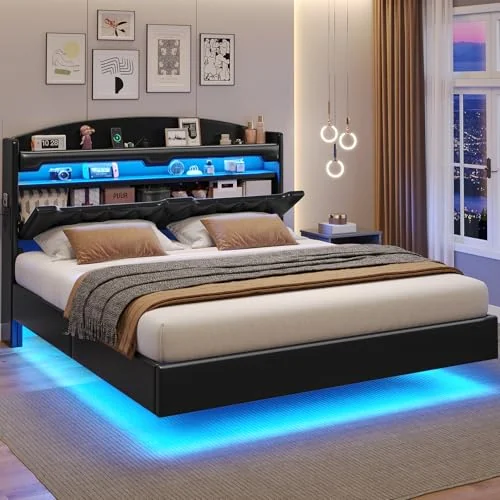
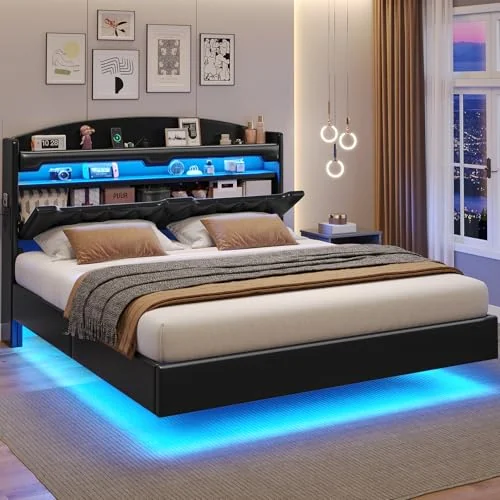
82.3 x 54.3 x 43.2 inches
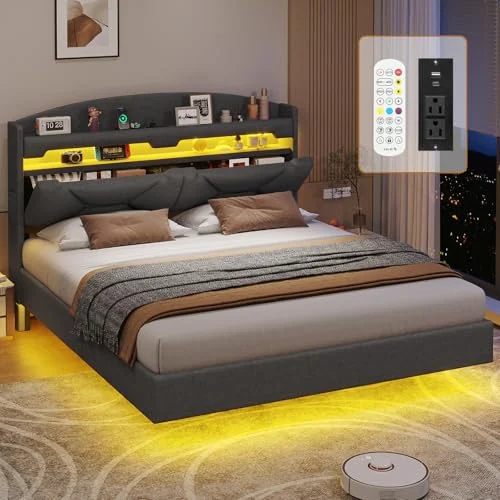
80.3 x 55.5 x 41.3 inches
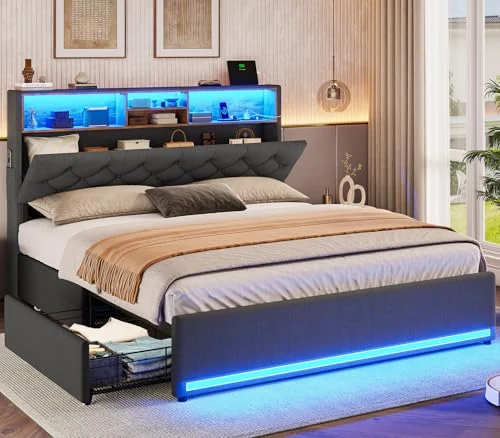
87.4 x 60.6 x 43.2 inches
43.2 x 87.4 x 60.6 inches
These answers come from the published figures for the piece, and each one says where the number came from.
These are the questions people ask before ordering furniture. Every answer below comes from the published specifications or from the standard itself, and each one says where the figure came from.
Stated capacities across the range run from 100 to 900 lbs, with 440 lbs the most commonly published figure. The number covers everything the frame carries, mattress included.
Dimensions are published for 145 of 145 pieces, and the BTHFST room fit tool filters by them. The measurement people miss is not the footprint but the clearance: a drawer needs its own depth again in front of it, and a bunk needs headroom above the mattress rather than above the frame.
No. The warning label required on bunk beds says not to place children under six on the upper bunk, and a bed counts as a bunk bed once its mattress foundation is more than 30 inches above the floor. That is a rule, not a recommendation.
For a bed, effectively yes. 92 of 145 pieces describe numbered instructions and labelled hardware, but the parts that need a second person are physical: standing the frame upright, holding a rail level while fixings go in, and squaring the frame before anything is tightened.
Steel or metal frames appear in 97 specifications, MDF in 25, FSC-certified wood in 19 and solid wood in 0. The frame is normally steel and the panels normally engineered board, which is what makes these light enough to carry upstairs.
Each stand states the screen sizes it carries, typically spanning 32 to 70 inches. Read the stand's figure rather than the category: the mount, not the top surface, sets the limit.
91 pieces in this range include LED or RGB lighting. They run from the piece's own supply, and an app or a remote drives them depending on the model. Where a piece lists a charging station or outlet, 44 do, it needs to reach a wall socket, so plan the cable run before the piece goes against the wall.
Report it through the order page where you bought it: that is where the transaction lives and where a replacement part or return is issued. No warranty period is published for this range.
They are the figures from our last update, 25 September 2026, and they move. The price at checkout is the one that counts. Every price you see belongs to a piece you can order.
Dimensions, materials and load figures belong to the exact piece they sit under and carry the date of the update that produced them. Nothing is carried across from a similar model, and nothing is rounded to look better than the measurement it came from.
No star ratings, no review counts, no invented testimonials, and no claims about a factory we have never seen. Where a figure is missing, the page says so.
The bunk bed page quotes the federal standard itself, read on the date printed beside the link, rather than repeating the safety wording on a product page.
Dimensions and prices belong to the exact piece they sit under and carry the date of the update that produced them. Prices were last updated 25 September 2026.





We have no app of our own. Checkout happens at the retail partner, in your browser or in that partner's own app, which you can find on either store:
These links go to the stores themselves.
You buy furniture for a tight room by the inch, and a photograph tells you nothing about the clearance left over. Our guides work out the footprint, the ceiling a top bunk needs and the load a frame carries.